Cangjie vs Sucheng: rules and tradeoffs
Sucheng (速成, also called Quick or Simplified) is a stripped-down version of Cangjie that keeps only the first and last code of the full Cangjie code, dropping everything in between. A character whose Cangjie code is only one or two radicals stays the same in Sucheng. Sucheng is easier to start with, but the tradeoff is that many characters share one Sucheng code, so you often have to pick the character you want from a candidate list.
We recommend learning full Cangjie instead, because it makes you choose from candidates far less often, and a competent Cangjie typist is faster than a Sucheng one. Both methods use the same radicals and the same keyboard, so learning Cangjie means you already know Sucheng, and if you already type Sucheng you are most of the way to full Cangjie and just need to learn the code-selection rules. Below is how Sucheng takes its codes, then where the two methods agree and differ.
New here? How to learn Cangjie →
Already know Sucheng? Learn the code rules and upgrade to full Cangjie →
Sucheng keeps only the first and last code
When a Cangjie code has three or more codes, Sucheng keeps only the first and the last, dropping the middle. The Code column below shows the full Cangjie code, and the notes give the resulting Sucheng code.
| Character | Colored | Code | Notes |
|---|---|---|---|
| 盈 | 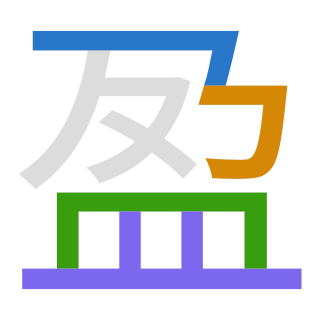 | 弓尸月廿 | Four Cangjie codes; Sucheng keeps first and last: 弓廿. |
| 學 | 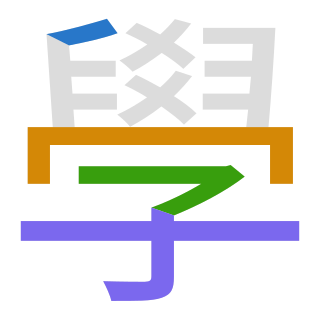 | 竹月弓木 | Four Cangjie codes; Sucheng takes first and last: 竹木. |
| 想 | 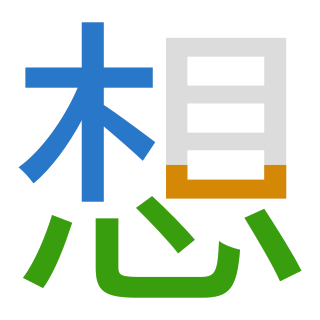 | 木山心 | Three Cangjie codes; Sucheng drops the middle: 木心. |
| 邊 | 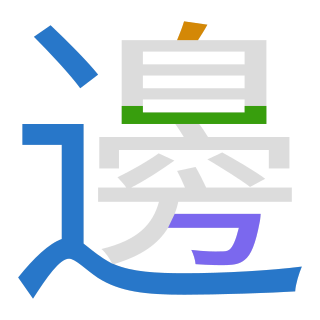 | 卜竹山尸 | Four Cangjie codes; Sucheng takes first and last: 卜尸. |
| 龍 | 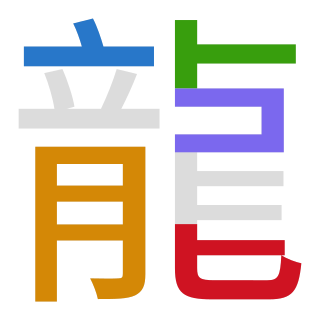 | 卜月卜尸心 | Five Cangjie codes; Sucheng keeps only first and last: 卜心. |
| 舊 | 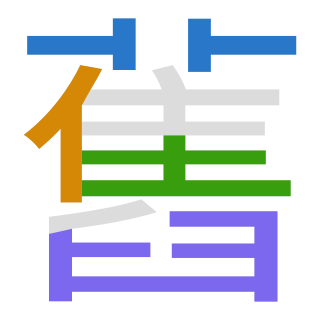 | 廿人土難 | Four Cangjie codes; Sucheng takes first and last: 廿難. |
One and two-code characters are identical in both
A character with only one or two Cangjie codes has no middle to drop, so its Sucheng code is identical. These are mostly the most common basic characters.
| Character | Colored | Code | Notes |
|---|---|---|---|
| 日 |  | 日 | A single code, so Sucheng equals Cangjie: 日. |
| 十 |  | 十 | A single code, so Sucheng equals Cangjie: 十. |
| 大 | 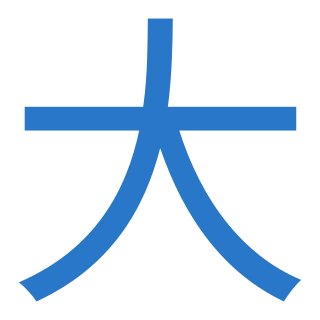 | 大 | A single code, so Sucheng equals Cangjie: 大. |
| 手 | 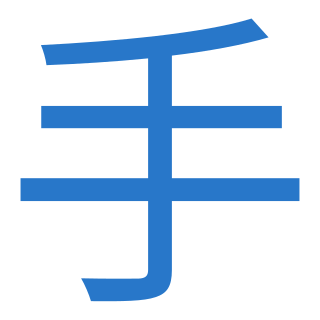 | 手 | A single code, so Sucheng equals Cangjie: 手. |
| 明 | 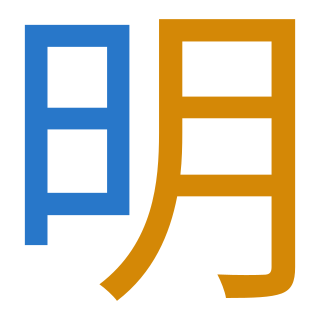 | 日月 | Two codes with nothing between to drop, so Sucheng equals Cangjie: 日月. |
Same Sucheng code, so you pick from candidates
Because Sucheng drops the middle radicals, different characters often land on the same Sucheng code, so you pick the one you want from a candidate list, and the more characters share a code the more selection it takes. In each group below the Cangjie codes differ but the Sucheng codes match.
| Character | Colored | Code | Notes |
|---|---|---|---|
| 話 |  | 卜口竹十口 | Sucheng first and last is 卜口, the same as 語. |
| 語 | 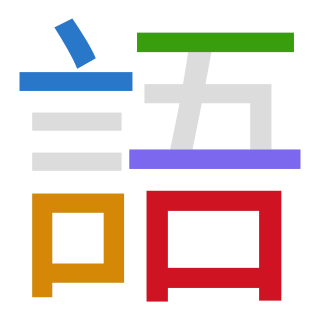 | 卜口一一口 | Sucheng first and last is 卜口, the same as 話, so you pick from candidates. |
| 開 | 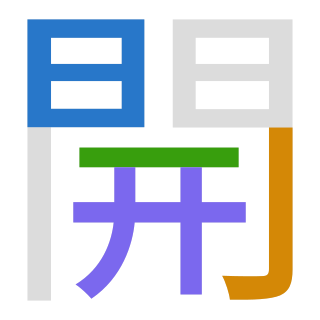 | 日弓一廿 | Sucheng first and last is 日廿, the same as 關. |
| 關 | 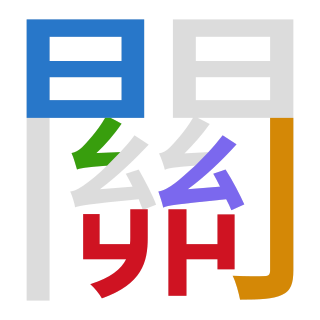 | 日弓女戈廿 | Sucheng first and last is 日廿, the same as 開, so you pick from candidates. |
| 的 | 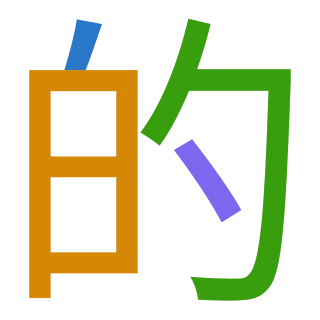 | 竹日心戈 | Sucheng first and last is 竹戈. 的, 我, 得 and 等 have different Cangjie codes but one shared Sucheng code, so you select among four. |
| 我 | 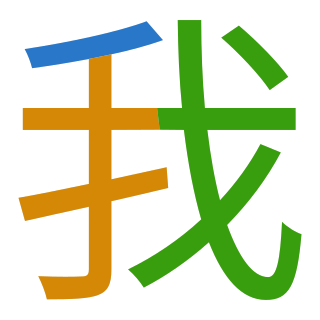 | 竹手戈 | Sucheng 竹戈, the same as 的, 得 and 等. |
| 得 | 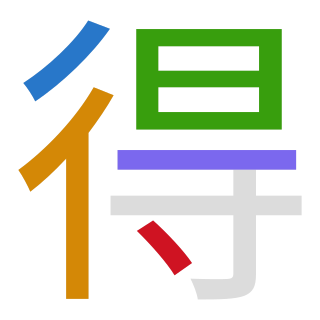 | 竹人日一戈 | Sucheng 竹戈, the same as 的, 我 and 等. |
| 等 | 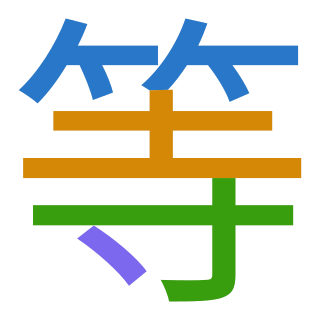 | 竹土木戈 | Sucheng 竹戈, the same as 的, 我 and 得. |
| 使 | 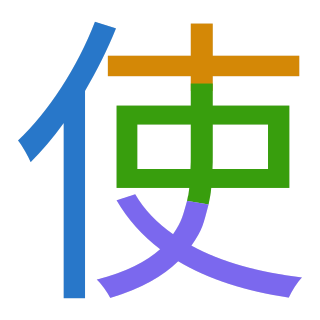 | 人十中大 | Sucheng first and last is 人大. 使, 做, 便 and 候 share this Sucheng code, so you select among four. |
| 做 | 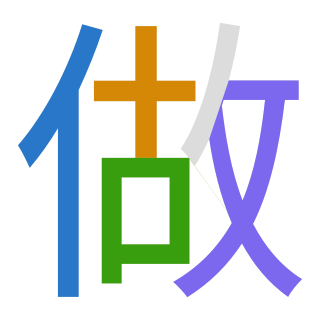 | 人十口大 | Sucheng 人大, the same as 使, 便 and 候. |
| 便 | 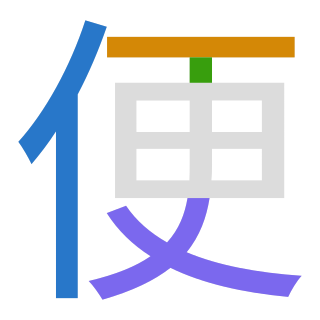 | 人一中大 | Sucheng 人大, the same as 使, 做 and 候. |
| 候 | 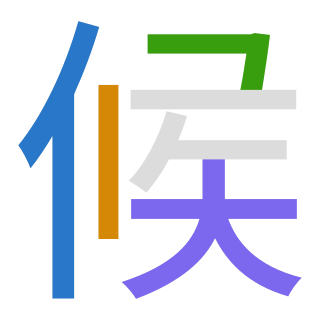 | 人中弓大 | Sucheng 人大, the same as 使, 做 and 便. |
| 個 | 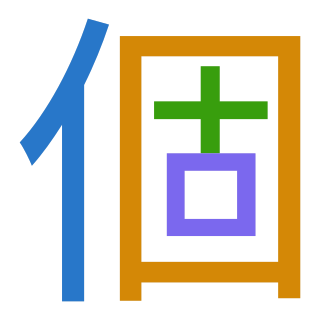 | 人田十口 | Sucheng first and last is 人口. 個, 知, 信 and 合 share this Sucheng code, so you select among four. |
| 知 | 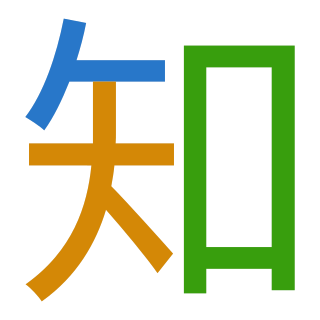 | 人大口 | Sucheng 人口, the same as 個, 信 and 合. |
| 信 |  | 人卜一口 | Sucheng 人口, the same as 個, 知 and 合. |
| 合 |  | 人一口 | Sucheng 人口, the same as 個, 知 and 信. |