How many Cangjie codes do you need: head, body, and the five-code limit
A Cangjie character needs at most five codes. You first split the character into a head and a body. The head is the first part, usually at the top, the left or the outside, and the rest is the body. First type the head's first and last code, up to two, and the body's first, second and last, up to three, dropping anything in the middle, so the whole character never exceeds five codes.
Some characters are written as one connected whole and cannot be split into a head and a body. You type a connected character's first three codes plus its last, up to four. Below we will look at the head and body split, the three codes of the body, and how connected characters are typed.
The rules have exceptions. See tricky characters →
First split into a head and a body
Before typing the codes, split the character into a head and a body, then type each code. The head is not always on the left; it can sit on top, wrap the top and left, wrap three sides, or enclose the whole character. Type the head's first and last codes, at most two codes.
| Character | Colored | Code | Notes |
|---|---|---|---|
| 明 | 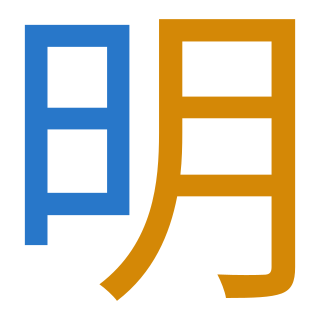 | 日月 | 日 on the left is the head and 月 on the right is the body. |
| 相 | 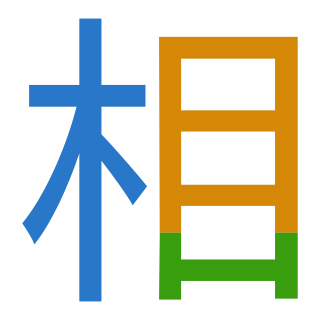 | 木月山 | 木 on the left is the head and 目 on the right is the body. |
| 花 | 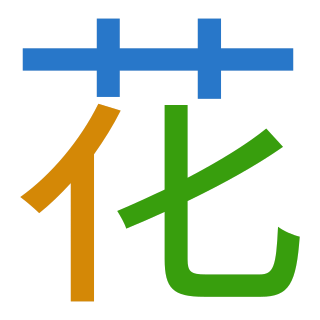 | 廿人心 | 艹 on top is the head and 化 below is the body. |
| 字 | 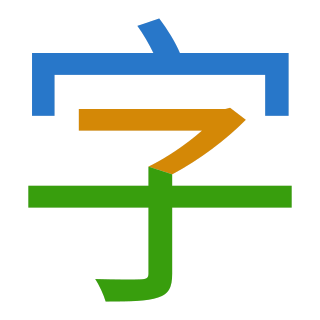 | 十弓木 | 宀 on top is the head and 子 below is the body. |
| 房 | 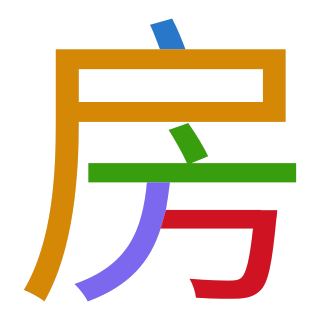 | 竹尸卜竹尸 | 戶 across the top and left is the head and 方 is the body. |
| 病 | 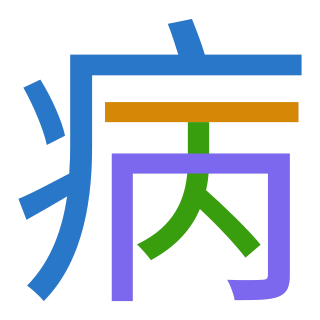 | 大一人月 | 疒 across the top and left is the head and 丙 is the body. |
| 問 |  | 日弓口 | 門 wraps three sides as the head and 口 inside is the body. |
| 同 |  | 月一口 | 冂 wraps three sides as the head and 一 and 口 inside are the body. |
| 國 | 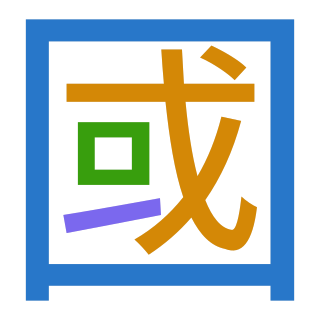 | 田戈口一 | 囗 encloses the character as the head and 或 inside is the body. |
| 回 |  | 田口 | 囗 encloses the character as the head and 口 inside is the body. |
Type the body's first, second and last codes.
If the body has several parts, type its first, second and last, dropping the middle. With the head's two codes, the whole character reaches at most five.
| Character | Colored | Code | Notes |
|---|---|---|---|
| 語 | 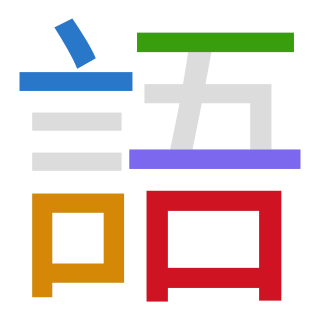 | 卜口一一口 | Head 言 two codes, body 吾 three, five in all. |
| 讓 | 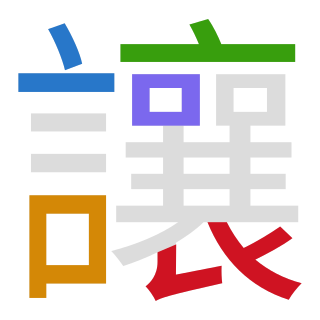 | 卜口卜口女 | Body 襄 first, second and last; the middle is dropped. |
| 議 | 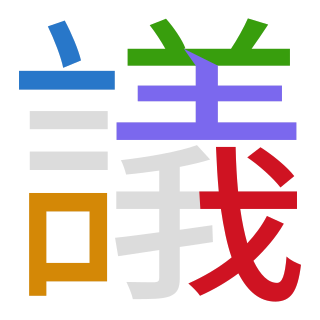 | 卜口廿土戈 | Body 義 first, second and last. |
| 續 | 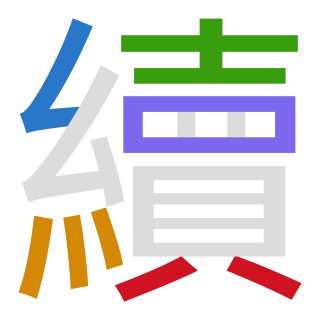 | 女火土田金 | The body's first, second and last; the rest is dropped. |
| 體 | 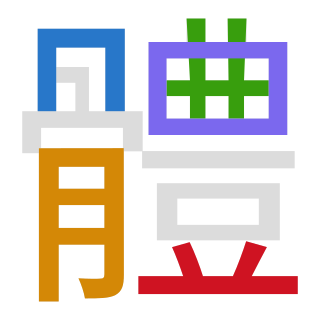 | 月月廿田廿 | Head 骨 first and last, body 豊 three, exactly five. |
| 願 | 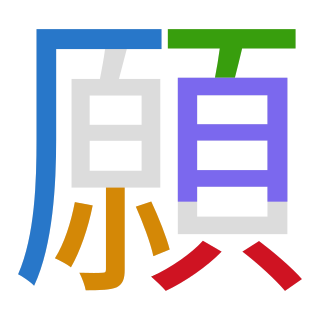 | 一火一月金 | Head 原 first and last, body 頁 first, second and last. |
| 機 | 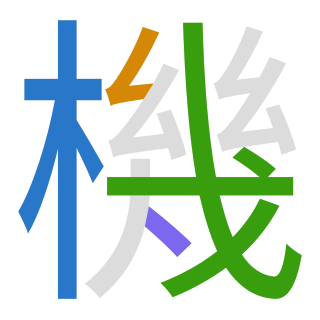 | 木女戈戈 | Head 木 one code, body 幾 three. |
Connected characters: first three plus last
Some characters are one connected whole with no head and body to separate, so you type the whole character's first three codes plus its last, at most four.
| Character | Colored | Code | Notes |
|---|---|---|---|
| 為 | 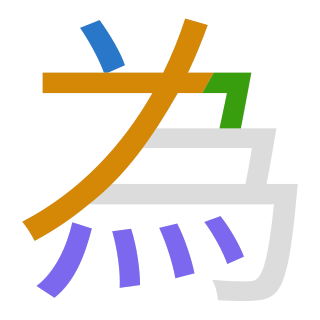 | 戈大弓火 | The top claw is the first code, 戈. |
| 馬 | 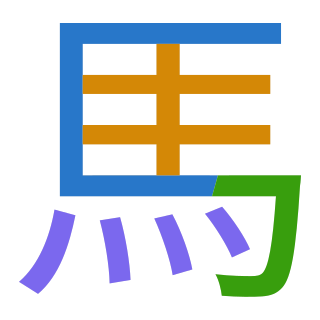 | 尸手尸火 | The four dots at the bottom (灬) are 火. |
| 鳥 | 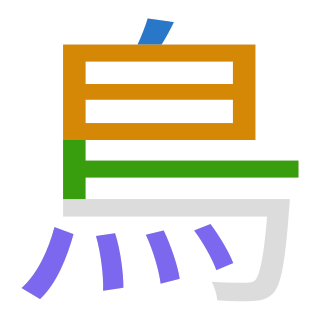 | 竹日卜火 | Its bottom is also 火. |
| 兆 | 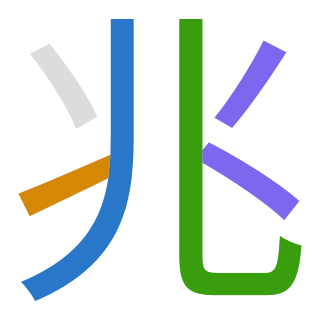 | 中一山人 | It looks like two halves, but it is one character. |
| 車 | 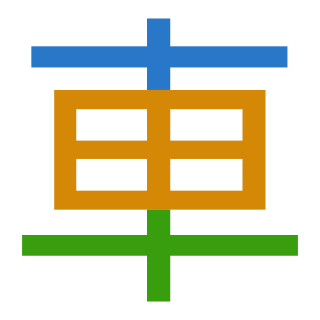 | 十田十 | A pictograph, coded as one piece. |
| 之 | 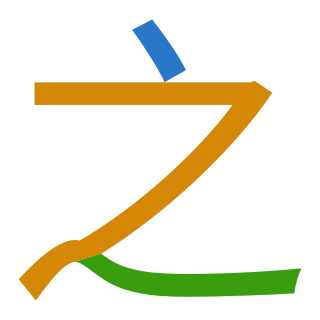 | 戈弓人 | Only three radicals, so three codes. |
| 魚 | 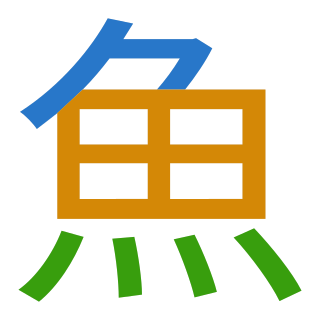 | 弓田火 | Its bottom is 火 too, and only three codes. |